

Meet the Antioquia Biomonitores, Empowering the Local Paisa Community for Biodiversity Conservation
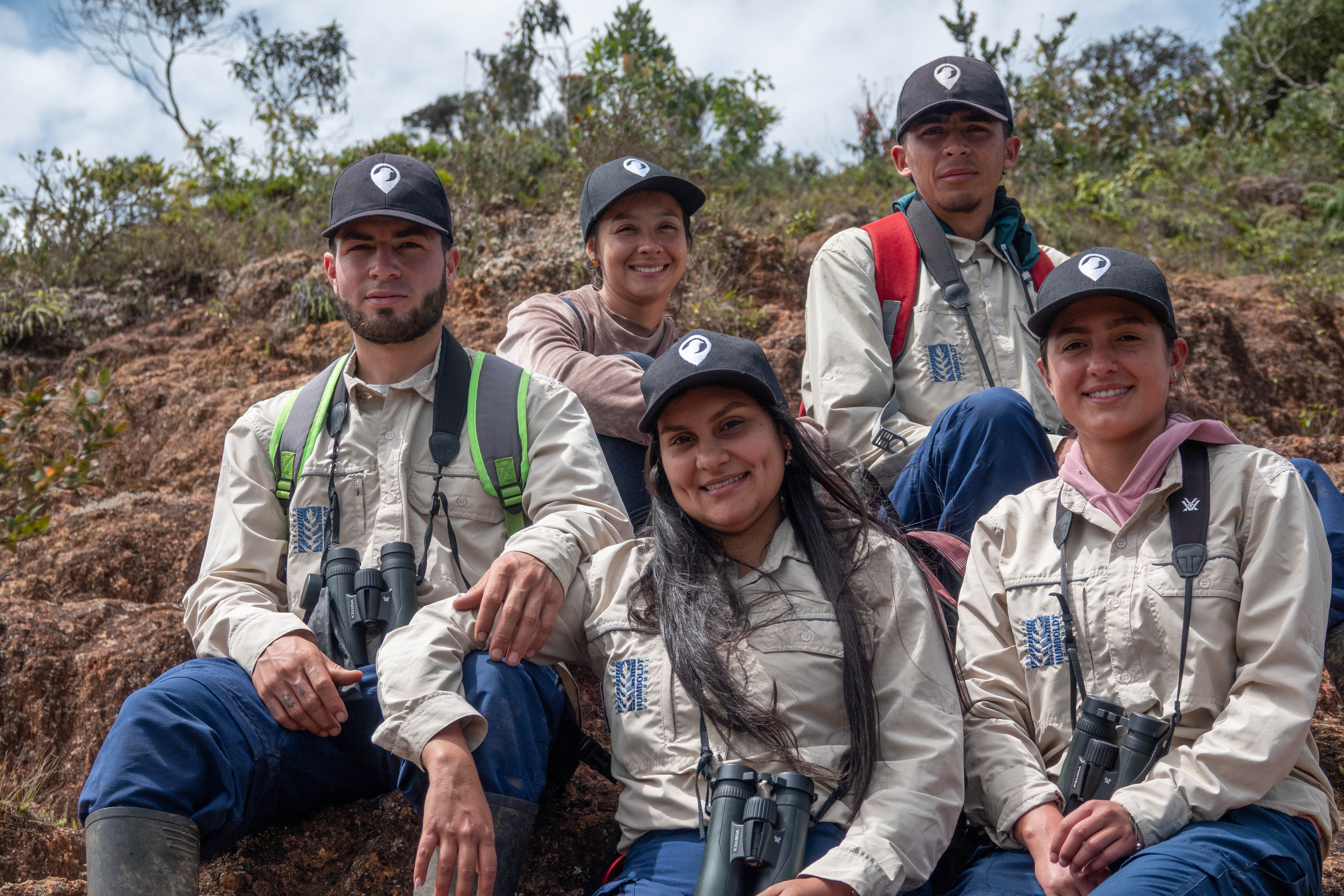
The Antioquia Biomonitores play an integral role in the pilot series of Wise Ancestors Conservation Challenges for two rare birds in Colombia, one of which has not yet been described by Western science, and the other is listed as Critically Endangered.
This series of Wise Ancestors Conservation Challenges is generating the first annotated, high-quality reference genomes for the critically endangered Antioquia Brushfinch (Atlapetes blancae), known in Spanish as the “Montañerito Paisa,” and for an enigmatic antpitta in the genus Grallaria, whose taxonomic affinities are under study. In addition to generating two reference genomes, the Conservation Challenges include studies of species populations and diets for the two endemic and range-restricted birds. Once completed, the five Conservation Challenges will provide key information to strengthen local conservation efforts and enable future studies.
Led by the Instituto Humboldt, in collaboration with the local NGO Neotropical Innovation, as part of the Montañerito Paisa Conservation Initiative, the inaugural class of Antioquia Biomonitores includes five paid, year-long positions for young adults from the local community in Antioquia, Colombia. They are learning and applying a variety of data collection skills, including field sampling techniques, taxonomic identification, genomics technologies, and biodiversity monitoring. Additionally, Biomonitores are being trained in the propagation and production of mortiño berries (Vaccinium meridionale), a critical component of the Montañerito Paisa’s diet. Currently, mortiño shrubs are being increasingly cleared for monoculture agriculture and cattle ranching; however, because they are also suitable for human consumption, growing the berries can provide an economic opportunity for local farmers while helping preserve the forest habitat and providing a key resource for these endangered birds.
Meet the Antioquia Biomonitores and watch their stories come to life here.

Name: Maria Isabel Lopera Correa
Age: 26 years old
Background: Environmental Issues
Key Takeaway from the program so far: “Something positive it’s taught me is that you realize you’re really not alone in this world world: there are so many species, and as human beings we have so much we can do for those little animals and creatures that don’t have a voice.”
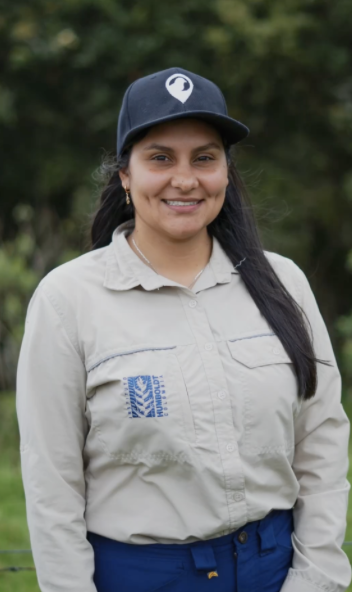
Name: Tatiana Restrepo Ruiz
Age: 29 years old
Background: Bookkeeping, finance, and environmental engineering
Key Takeaway from the program so far: “It aligns with my engineering path, and it lets me go deeper and expand my knowledge. It’s something deeply satisfying and essential in my life.”

Name: Melith Eslobenia
Age: 34 years old
Background: Elementary education & social sciences
Key Takeaway from the program so far: “I am learning so much about all the biodiversity of Antioquia’s Northern Highlands – an area that has been somewhat neglected with economic activities that cause a lot of erosion, like cattle ranching and potato farming. So with this project, we’re looking at how we can help conserve the shrublands and regrowth area where the Montañerito Paisa lives.”
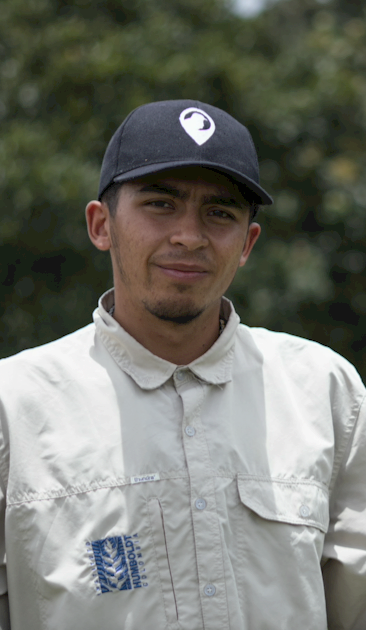
Name: Cristian Orrego Pérez
Age: 21 years old
Background: Dairy farming
Key Takeaway from the program so far: “I’ve learned a lot, like how to set up camera traps, and I’ve learned so much about birds – different species, their behavior, and how they live.”

Name: Jhonatan Chavarria G.
Age: 21 years old
Background: Livestock farming
Key Takeaway from the program so far: “What I have learned through this project is about birds and conserving biodiversity.”
Latest posts

.jpg)

Donate
Contribute to help Wise Ancestors operate, or to directly advance efforts to safeguard Earth’s genetic diversity.
Contributions are tax-deductible to the extent allowed by law.